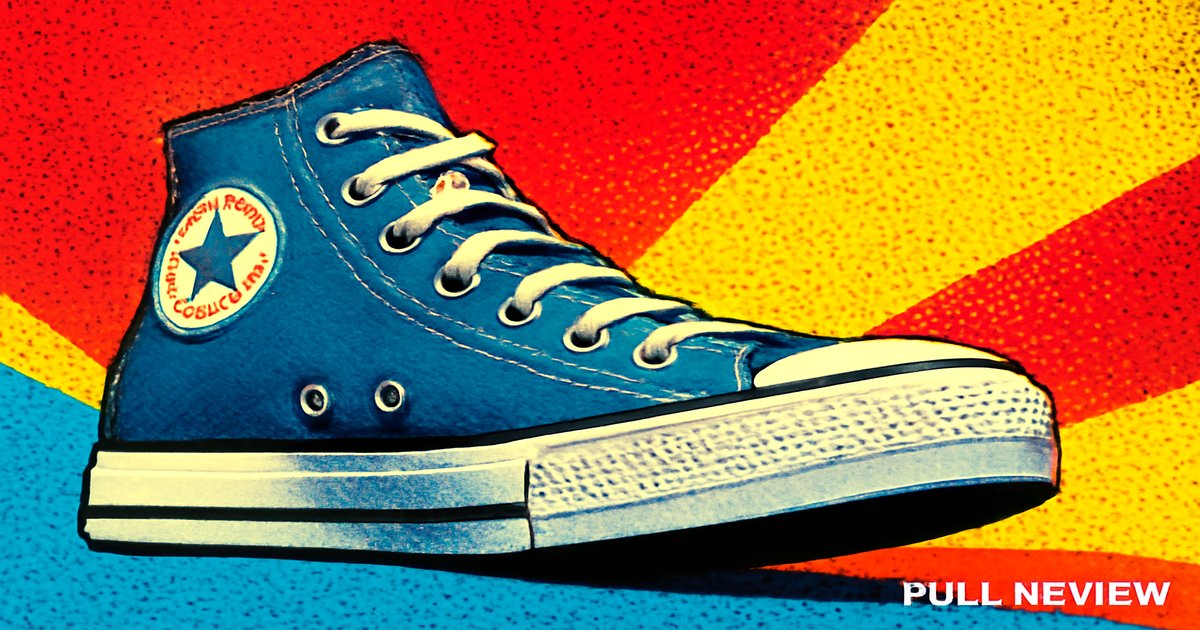
You’re in the market for a new pair of sneakers, and you’ve narrowed it down to two options: the Inverse and the Converse. Both have their die-hard fans, but which one truly deserves a spot in your closet? Let’s dive into the specifics to help you make an informed decision without the marketing fluff.
| Feature | Inverse | Converse |
|---|---|---|
| Price | $120 | $65 |
| Material | High-grade mesh | Canvas |
| Arch Support | ✓ | ✗ |
| Weight | 0.8 lbs | 1.2 lbs |
| Color Options | 5 | 10 |
| Durability | 2 years | 1.5 years |
| Brand Reputation | Emerging | Established |
✅ inverse Pros
- Exceptional arch support for long walks and runs.
- Lightweight design makes them easy to wear all day.
- Durable material that withstands the elements.
❌ inverse Cons
- Higher price point might not be budget-friendly.
- Limited color options could be a downside for fashion enthusiasts.
✅ converse Pros
- Affordable, making them accessible for most budgets.
- Wide variety of colors to match any outfit.
- Classic style that’s been popular for decades.
❌ converse Cons
- Minimal arch support, not ideal for extended wear.
- Heavier than competitors, which could cause fatigue.
Performance and Comfort
When it comes to performance, the Inverse sneakers take the cake. They’re built with high-grade mesh, offering superior breathability and comfort during long runs or walks. The lightweight design ensures you won’t feel bogged down as you move. On the other hand, Converse shoes have a classic canvas construction that tends to feel heavier. If you’re planning on being on your feet all day, the lack of arch support in Converse can make a significant difference in comfort levels.
Durability and Build Quality
The Inverse sneakers are a solid choice if you’re looking for durability. These shoes can withstand varied weather conditions, thanks to their robust build. With a lifespan of about two years, they offer great value for money. Converse, while iconic, generally last about 1.5 years with regular use. The canvas material is more prone to wear and tear, particularly if exposed to wet conditions frequently. If durability is a priority, Inverse is the better option.
Style and Versatility
Converse shines when it comes to style and versatility. With ten color options, you can easily find a pair that complements any ensemble. Their classic look has stood the test of time, making them suitable for casual outings or even semi-formal events. Inverse, with only five color choices, might not offer the same level of versatility. However, what they lack in style variability, they compensate for in performance features, making them ideal for those who prioritize function over fashion.
Many reviews gloss over the fact that while Converse shoes are stylish and budget-friendly, they may not be the best for those with specialized foot needs. The Inverse may be pricier, but it offers foot support that can prevent injury over time. If you’re someone who needs extra support, don’t let the initial cost deter you.
Our Final Verdict: Which One Should You Buy?
If you’re an active individual who values comfort and durability over style, the Inverse sneakers are a wise investment. They’re perfect for anyone who spends long hours on their feet and needs reliable support. However, if you’re more fashion-forward and prefer a classic look at a more affordable price, Converse is the way to go. They’re ideal for casual wear and those who want a variety of color options to mix and match with their wardrobe.
Are Inverse sneakers true to size?
Yes, Inverse sneakers are generally true to size, but it’s always best to try them on or check the brand’s sizing guide to be sure.
Can Converse sneakers be used for running?
Converse are not designed for running. They lack the necessary arch support and cushioning for high-impact activities.
How long do Inverse sneakers last?
With regular use, Inverse sneakers typically last about two years, thanks to their durable materials and construction.